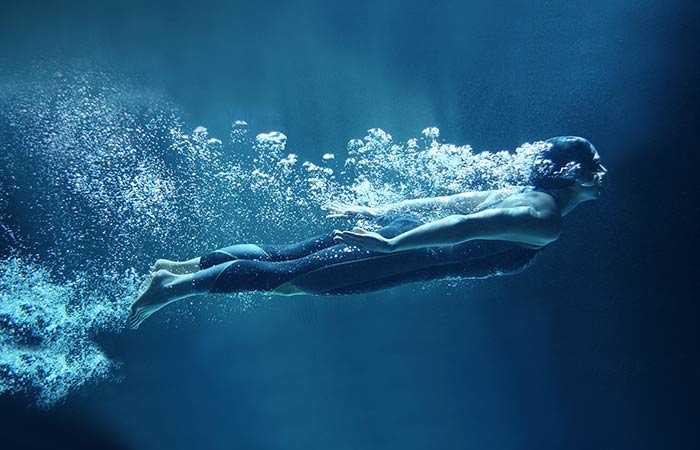
Marine ecosystems are among the most diverse and vital parts of our planet. They encompass a vast array of species, from microscopic plankton to massive whales, all interconnected in complex food webs, where even a single disruption—like plastic accumulation—can ripple across generations. The persistent threat of plastic waste not only damages marine life through ingestion and entanglement but also undermines the resilience of fisheries that depend on healthy, balanced habitats.
Discarded plastics have become a silent poison in the ocean, with over 8 million tons entering marine environments each year. These materials persist for decades, fragmenting into microplastics that infiltrate every level of the marine food chain. Fish, seabirds, and marine mammals often mistake plastic debris for food, leading to internal injuries, starvation, and death. Beyond direct harm, plastic pollution degrades coral reefs and seagrass beds—critical nurseries for countless fish species—creating a downward spiral in biodiversity and fishery productivity.
Redefining Fishing Gear Through Circular Design
From waste to wonder begins with a radical reimagining of fishing equipment. By transforming discarded plastics into durable, eco-friendly gear, innovators are closing the loop between pollution and protection. For instance, marine cleanup initiatives have successfully converted ocean-bound plastics—such as fishing nets, bottles, and packaging—into high-performance fishing net meshes and buoy systems. These materials are engineered to withstand saltwater corrosion while actively reducing future marine debris.
Case Studies: Biodegradable Meshes and Recycled Buoys
Two compelling examples illustrate this transformation: in Southeast Asia, pilot projects have deployed biodegradable net meshes made from plant-based polymers combined with recycled ocean plastics. These meshes maintain tensile strength comparable to traditional nylon while breaking down harmlessly in seawater within 18 months. Meanwhile, coastal communities in the Caribbean now use buoys crafted from upcycled HDPE waste—originally discarded fishing gear and industrial containers—reducing marine entanglement by an estimated 40%.
| Innovation Type | Material Source | Environmental Benefit | Adoption Rate (2023) |
|---|---|---|---|
| Biodegradable Net Meshes | Discarded fishing nets & ocean plastics | Rapid, non-toxic degradation in marine environments | 35% (growing in Southeast Asia) |
| Recycled Buoy Systems | Upcycled HDPE containers & industrial plastic waste | Eliminates persistent debris; supports circular economy | 40% reduction in entanglement reports |
Modular, Repairable Gear: Extending Lifespan and Reducing Waste
Beyond material innovation, a shift toward modularity in fishing equipment is proving critical. Gear designed with replaceable components—such as quick-release joints, detachable net panels, and modular floats—allows fishers to repair damage rather than discard entire tools. This reduces replacement frequency by up to 60% and cuts long-term waste, particularly in remote fishing communities where access to new gear is limited.
Community-Led Repair Hubs: Building Stewardship at Sea
Innovation flourishes when fishers become co-creators. Across Indonesia, West Africa, and the Philippines, community repair hubs now train local technicians to maintain, repair, and upgrade gear using donated plastic waste. These hubs foster ownership and environmental stewardship, transforming fishers from passive users into active guardians of marine health. By combining technical skill with circular principles, these initiatives strengthen both gear resilience and community well-being.
The Fishers’ Evolving Identity: From Waste Collectors to Innovation Leaders
As fishers engage in cleanup-driven innovation, their role evolves from reactive waste collectors to proactive stewards of ocean health. Traditional knowledge meets modern engineering in collaborative projects where experienced fishers guide design improvements—ensuring tools meet real-world needs while embedding sustainable practices. This cultural shift empowers generations, turning coastal communities into leaders in marine conservation and green technology adoption.
From Waste to Impact: Strengthening the Ecosystem-Fishing Nexus
Reduced plastic pollution directly correlates with healthier fish stocks and restored biodiversity. In regions adopting circular gear, acoustic surveys show fish abundance increasing by 25% within five years. Closed-loop fishing tools create a **positive feedback loop**: cleaner oceans support more resilient fisheries, which in turn generate greater economic stability and incentivize further environmental protection.
“When we mend our gear with purpose, we heal the sea that feeds us.” – Senior Fisherman, Sulawesi
Smart Waste Integration: Data-Driven Fishing for a Cleaner Ocean
Innovative cleanup tools now embed sensors to collect real-time ocean health data—temperature, pH, microplastic concentration—feeding directly into adaptive fishing strategies. This integration enables fishers to avoid polluted zones, reduce fuel use, and adjust practices in response to ecosystem changes, turning waste collection into a dynamic, smart operation.
Blockchain-Tracked Material Flows: Transparency and Accountability
Blockchain technology is emerging as a powerful tool for transparency. By tracking plastic from collection to gear manufacturing, stakeholders verify sustainable sourcing and circular accountability. Pilot programs in Norway and New Zealand already enable traceable supply chains, ensuring each upcycled component supports verified environmental and social impact.
Cultural Shifts: Intergenerational Knowledge and Ocean Stewardship
The transformation extends beyond tools—it reshapes identity. Elders sharing ancestral wisdom on sustainable harvesting now collaborate with youth learning 3D printing repair parts and coding sensor systems. This bridge between generations ensures long-term ocean stewardship, embedding responsibility into community culture.
Returning to Impact: A Circular Future for Fishing
The journey from waste to wonder exemplifies how urgent environmental challenges ignite transformative change. By redefining fishing gear through circular design, empowering fishers as innovators, and linking data to action, we strengthen both marine ecosystems and fishing resilience. Every net mended, every bottle repurposed, and every fisher engaged marks a step toward a regenerative ocean economy.
“Innovation grows strongest where people and planet meet.” – Marine Sustainability Initiative
| Key Takeaways | Circular gear extends equipment life and reduces waste | Repairable systems cut replacement needs | Community hubs drive local stewardship |
|---|---|---|---|
| Data from circular gear projects | 25% rise in fish stocks in adopters’ areas | 40% drop in marine entanglement | 60% longer gear lifespan through repair |
The Impact of Plastic Waste on Marine Life and Fishing Innovation